Floyd Norman Helped Draw Disney’s Classics. At 91, He’s Getting an Oscar.
Floyd Norman helped shape some of the animated films generations grew up watching. Now, Disney’s first Black animator is being honored with an Oscar.

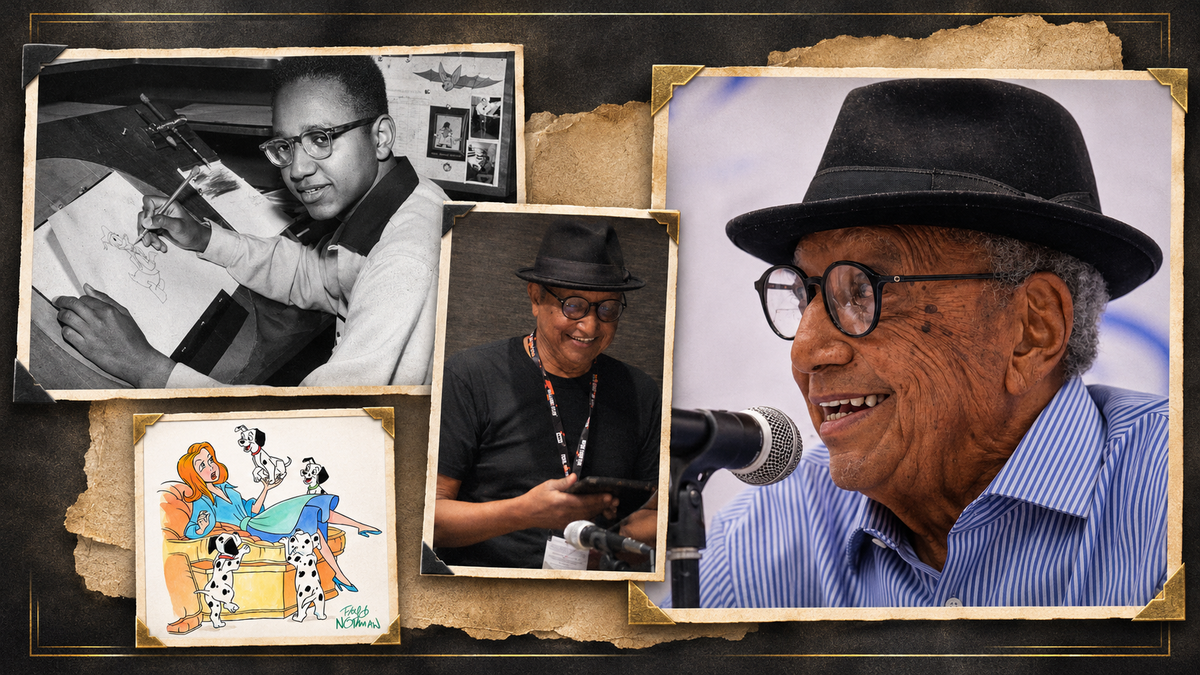
Think about the animated movies that shaped your childhood. The characters. The music. The stories you could watch a dozen times and still enjoy.
Now think about the people who helped bring those worlds to life.
One of them was Floyd Norman.
For decades, his drawings and story ideas contributed to movies that became part of American childhood. Yet his name is nowhere near as familiar as the films themselves.
That may be about to change for a new generation of fans.
On Sunday, November 15, 2026, the Academy of Motion Picture Arts and Sciences is set to recognize Norman, 91, with an Honorary Oscar at its Governors Awards. It is a lifetime-achievement honor, separate from the competitive Academy Awards presented at the main Oscars ceremony. The Academy announced the recognition in June.
The milestone is about more than a trophy. It is an invitation to look more closely at who helped make animation history—and whose contributions deserve to be remembered.
The young artist who entered Disney in 1956
Born in Santa Barbara, California, in 1935, Norman was drawn to art early. As a teenager, he worked on the Katy Keene comic strip before studying at ArtCenter College of Design.
In 1956, he joined Walt Disney Animation Studios, becoming the studio’s first Black animator.
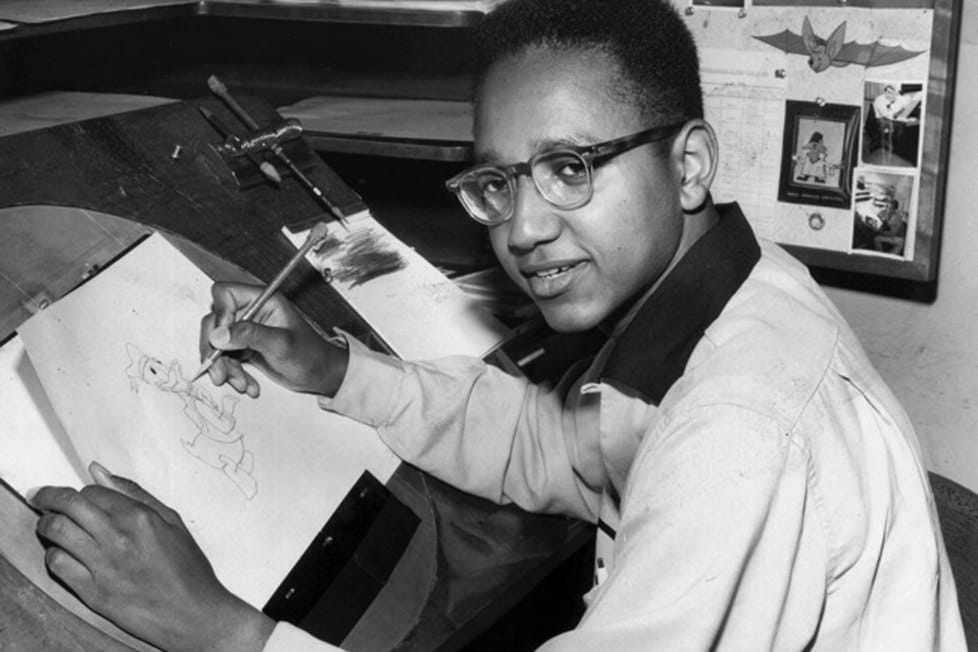
He was entering a business whose most celebrated artists, opportunities and leadership positions had overwhelmingly been white. The achievement was significant in its own right, but Norman’s story did not stop at being first.
His early work included Sleeping Beauty. He later contributed to The Sword in the Stone, Mary Poppins and The Jungle Book, working in animation and story development as the studio helped define an era of filmmaking.
The credits matter, but so does the kind of work behind them. Animated movies are made by teams: artists who draw, revise, develop characters, test jokes and discover how a scene should move. Norman was part of that collaborative creative machinery.
Building space for more stories
There is another chapter of Norman’s career that deserves just as much attention.
After Walt Disney died in 1966, Norman left the studio and co-founded Vignette Films, Inc. with animators Leo Sullivan, Richard Allen, and Norm Edelen. The Black-owned independent studio produced educational animated films about Black history for schools and libraries—stories mainstream studios seldom centered.
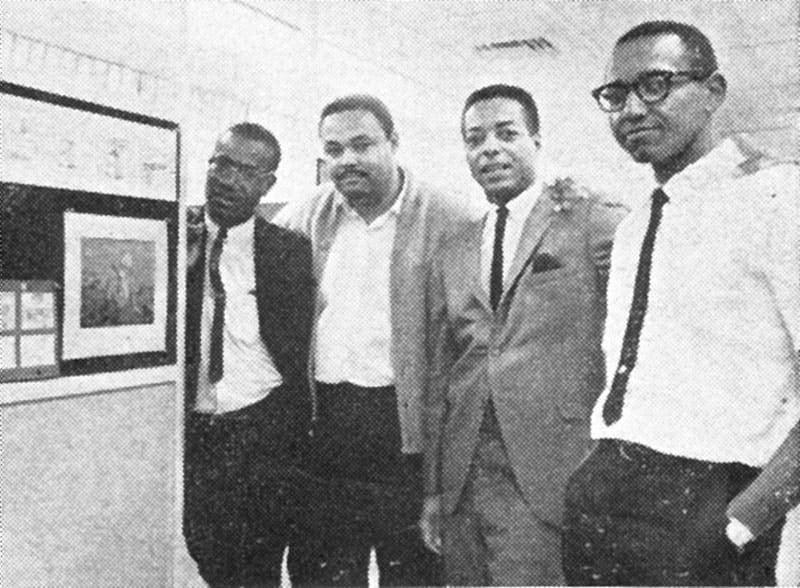
Their work included the original Hey! Hey! Hey! It’s Fat Albert television special, which aired in 1969. It was one example of Black artists creating opportunities to tell stories through animation on their own terms.
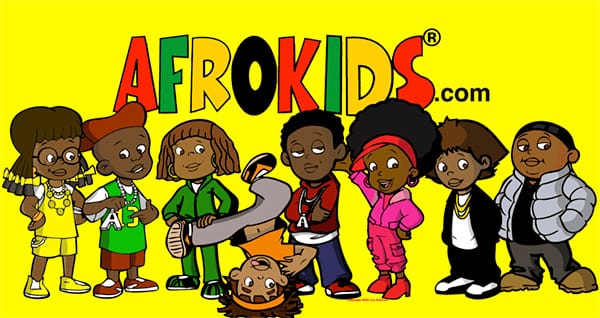
Decades later, in 1999, Leo and Ethelyn Sullivan developed AfroKids.com, a separate website and media brand created to offer positive, culturally grounded stories, animation and activities for Black children. Norman contributed to the venture, but AfroKids was not the name of the Vignette Films studio.
Norman also worked at Hanna-Barbera, contributing to television animation, and later returned to Disney for projects including Robin Hood. Over the years, his work extended into comics, books, storyboarding and filmmaking. The University of California, Santa Barbara, which holds his papers, also documents his company Vignette Films and its Black-history films for schools.
In other words, he was never only one thing. He was an artist, storyteller, writer and creative entrepreneur.
From The Jungle Book to Pixar
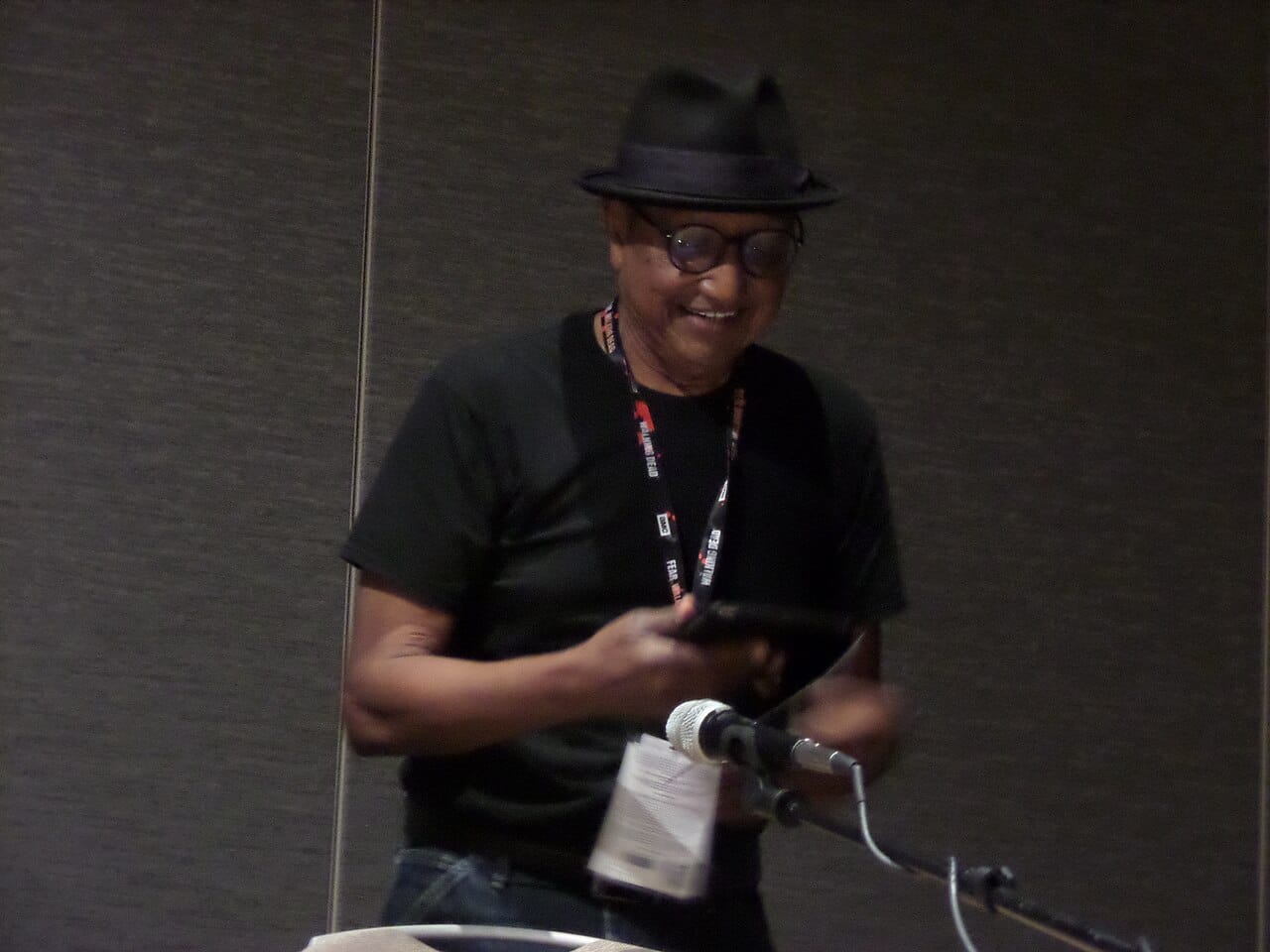
For younger audiences, some of Norman’s later credits may be especially recognizable.
He contributed to The Hunchback of Notre Dame and Mulan, and his career also took him to Pixar, where he worked on Toy Story 2 and Monsters, Inc.
Think about that span for a moment. Norman began his studio career when feature animation was painstakingly drawn by hand, and he remained part of the industry as computer animation transformed the way movies were made.
The Disney organization named him a Disney Legend in 2007. His career has also been documented in the film Floyd Norman: An Animated Life, introducing his story to viewers beyond animation circles.
The Honorary Oscar joins those recognitions, but it carries an especially public message: Norman’s contributions belong in the broader history of American film.
The stories behind the stories
Floyd Norman’s career is worth celebrating because of the barriers he crossed. It is also worth celebrating because of the work itself.
He helped build stories enjoyed by millions of people, worked across generations of artists and took part in efforts to create space for Black voices in animation.
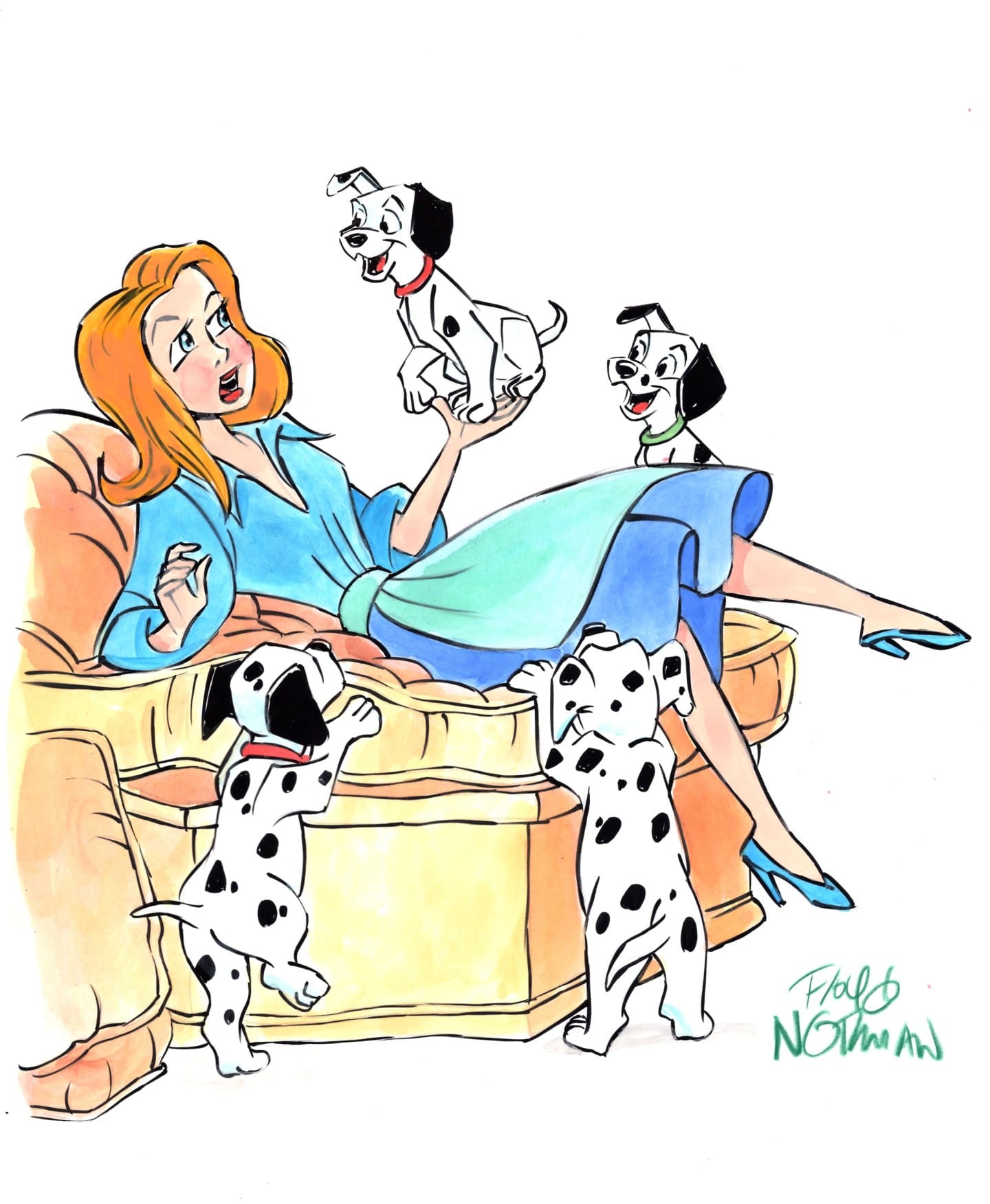
No single person made The Jungle Book, Mulan or Toy Story 2. Norman’s achievements are part of a larger collective history. Recognizing him makes that history more complete.
Tonight’s honor is an important moment. But perhaps the more lasting tribute would be for audiences to know his name long after the ceremony ends.
The next time an animated classic plays in your home, take a moment to remember the artists behind the magic.
Remember Floyd Norman.
Because the people who helped draw our childhoods deserve a place in the picture.
Reporting sources
Academy of Motion Picture Arts and Sciences — 2026 Governors Awards announcement
Disney D23 — Floyd Norman, Disney Legend