The Engineer Behind the Screen: How Mark Dean Helped Build the Personal Computer
Mark Dean helped build IBM’s original personal computer, shape its expansion technology, advance color graphics, and lead a landmark leap in processor speed.


Before the personal computer became a fixture in offices, classrooms and creative studios, Mark Dean helped make the machine more capable—and the future of computing more accessible.
Think about the tools sitting on your desk. The monitor glowing in front of you. The keyboard beneath your hands. The printer waiting across the room. The machine powerful enough to edit photographs, build websites, design a publication or bring an idea into focus.
We use this technology so casually that it can be easy to forget somebody had to imagine how the pieces would work together.
One of those people was Mark Dean, a pioneering Black engineer whose work helped define the personal computer. He wasn't a footnote to the story of the digital revolution. He was part of the team building its foundation.
A young engineer with big ideas
Born in Jefferson City, Tennessee, in 1957, Dean was drawn early to mathematics, science and the challenge of making things work. He studied electrical engineering at the University of Tennessee and joined IBM in 1979, just as the company was preparing to enter a fast-changing personal-computing market.
At the time, computers were moving out of specialized environments and toward a future in homes and workplaces. That transition required engineers who could make complex systems practical, expandable and useful to people who were not computer experts.
Dean was one of them.
The personal computer revolution
When IBM introduced its Model 5150 personal computer in August 1981, it helped establish a new standard for the industry. Dean contributed to IBM's PC development, and three of the nine patents associated with the original IBM PC belonged to him.
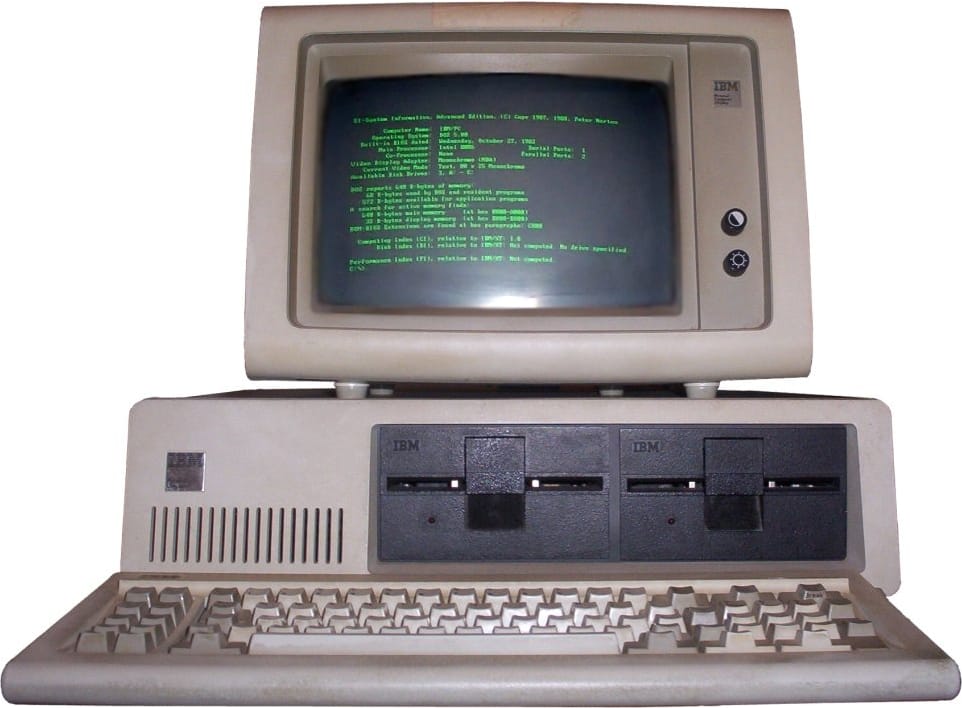
That is an extraordinary mark on a machine that helped transform everyday computing. It also complicates the way the story is often told. The history of the PC is frequently reduced to a handful of familiar names and companies. But the people whose engineering made it possible were a far more diverse group—and Dean's work is central to that history.
He was not working alone, nor did he single-handedly invent the computer. The IBM PC was a team achievement. His contributions, though, helped shape what the machine could become.
Making computers work together
One of Dean's most consequential breakthroughs concerned something most computer users would never see: the pathway that lets components communicate.
Working with fellow IBM engineer Dennis Moeller, Dean developed technology behind the computer expansion bus that evolved into the Industry Standard Architecture, better known as the ISA bus. This architecture helped computers connect and communicate with add-on hardware, including graphics capabilities, storage devices and other peripheral systems.
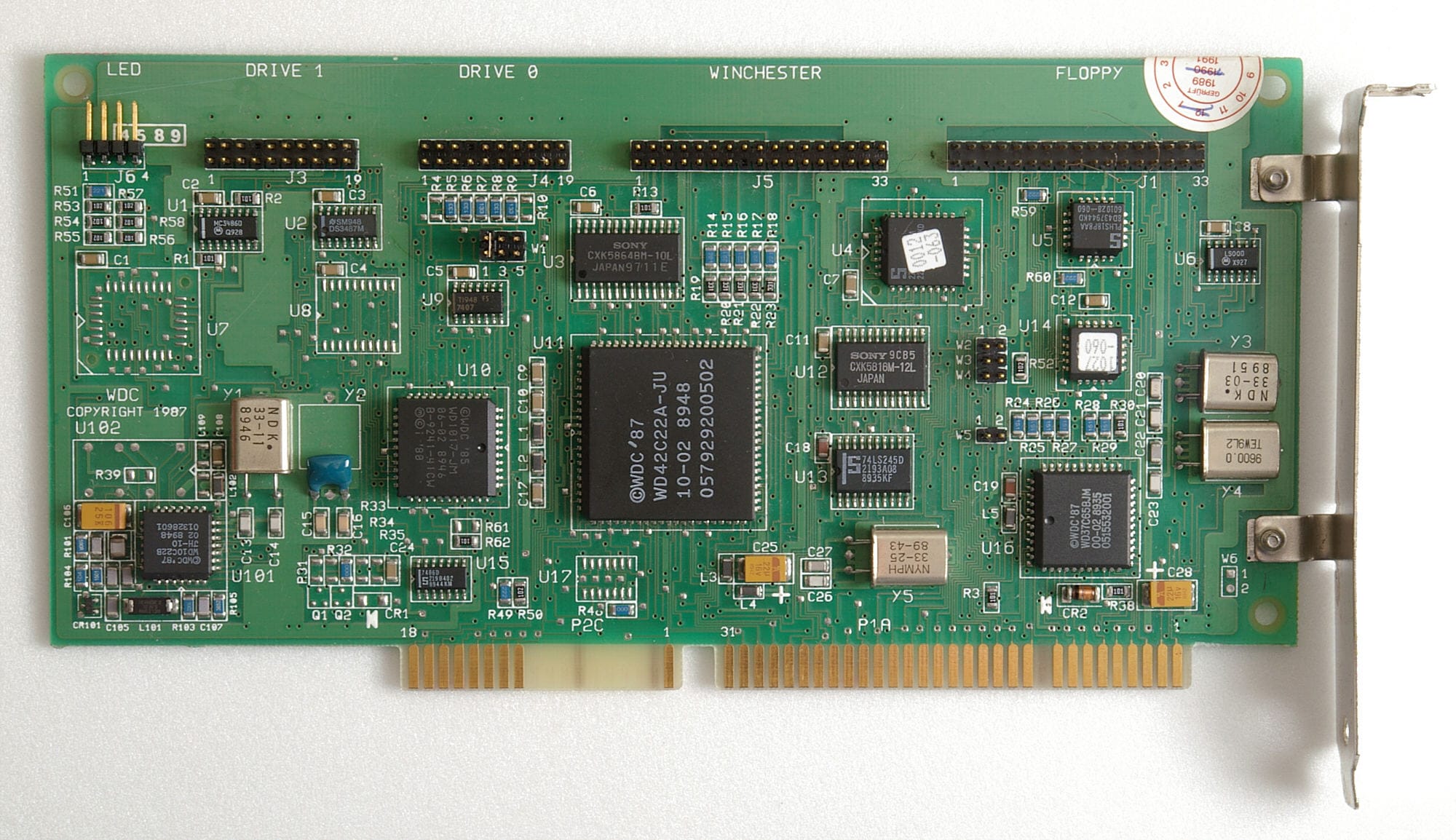
To understand why that mattered, imagine a computer that could perform only the functions built into it on the day it left the factory. Now imagine a machine that could be expanded, adapted and made more useful as technology evolved.
That flexibility helped build an ecosystem around the PC. Other companies could develop compatible hardware. Businesses could tailor systems to their needs. Users could do more with the machines they already owned.
Today's USB connections and modern plug-and-play devices use different technologies, but the larger idea of an expandable, interconnected computer owes a great deal to the engineering advances of that era.
Bringing color into the picture
Dean's early IBM patents also included work on monochrome and color graphics adapters. His contributions helped advance the development of color PC displays at a time when a screen full of vibrant visual information was far from routine.
For people who work in graphic design, photography, video or digital publishing, that detail has particular resonance. Color is not simply decoration on a modern computer. It is part of how we create, interpret and communicate.
Dean did not invent color displays by himself. What he helped engineer was a path toward making color graphics part of the personal-computing experience. That distinction matters, because the achievement is impressive without needing to become a myth.
Breaking the billion-cycle barrier
Dean's work did not stop with the early PC. As his career advanced, he moved into increasingly ambitious computer research and leadership roles at IBM.
In 1998, a processor developed at IBM's Austin Research Laboratory, where Dean served as director, reached a speed of one gigahertz—one billion clock cycles per second. It was a remarkable research milestone in the push for faster computing.
To a generation accustomed to powerful laptops and smartphones, that number may seem ordinary. At the time, it was a glimpse of a new performance frontier. Dean also helped guide work associated with IBM's Blue Gene supercomputing initiative, extending his influence well beyond the desktop.
A first that deserves more attention
In 1995, Dean became IBM's first Black American Fellow, one of the company's highest technical distinctions. Two years later, he and Moeller were inducted into the National Inventors Hall of Fame for their work on computer peripheral technology.
These honors recognize technical excellence, but they carry another meaning. Dean's career challenges the narrow picture of who was building the information age. Black ingenuity was present inside the laboratories, engineering teams and design decisions that helped shape the modern world.
That is not a separate history of technology. It is the history of technology.
His legacy is still being written
After decades at IBM, Dean brought his experience into higher education at the University of Tennessee, helping prepare another generation of engineers. In 2026, the university recognized him as an inaugural inductee into its Electrical Engineering and Computer Science Alumni Hall of Fame and announced the inaugural Mark Dean Fellowship.
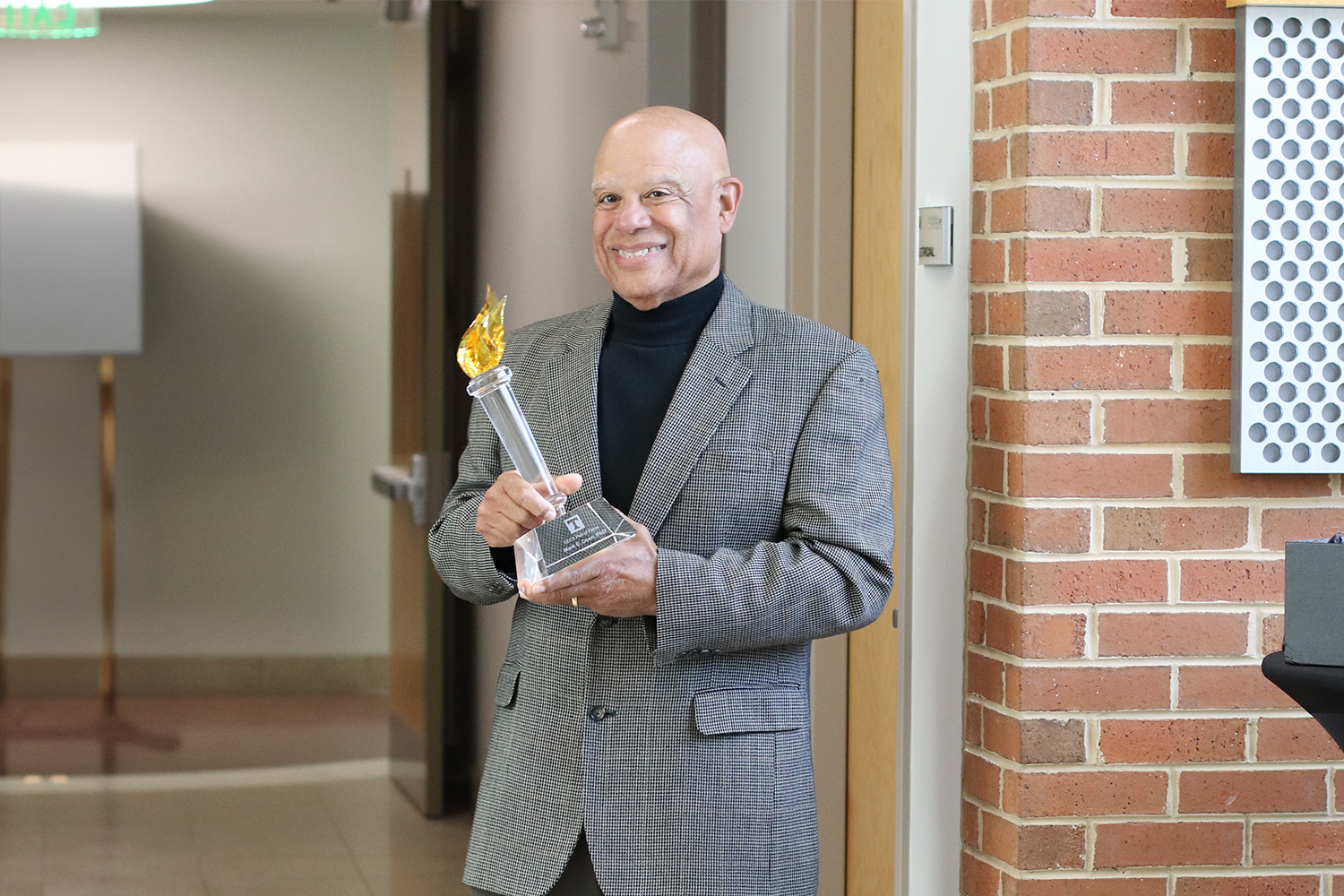
The honors reflect a legacy that reaches beyond any one invention: an engineer who built, led, taught and opened possibilities for the people who would follow him.
The history behind the screen
There is something powerful about recognizing Mark Dean in the everyday tools around us. The machines have changed. The beige desktop of 1981 has given way to thin laptops, high-resolution displays and sophisticated creative workstations. Yet the story of how computers became flexible, visual and widely useful still leads back to engineers who pushed the technology forward.
So the next time you open a design project, connect a device or sit down to make something on a computer, remember the name behind part of that possibility.
Mark Dean helped build the future we now take for granted.
Reporting sources: IBM: Mark Dean · IBM: The IBM PC · National Inventors Hall of Fame · University of Tennessee EECS Hall of Fame · University of Tennessee Mark Dean Fellowship.
Image credits: IBM PC 5150 by Boffy b / Wikimedia Commons (CC BY-SA 3.0); ISA controller card by Rainer Knäpper (Smial) / Wikimedia Commons (CC BY-SA 2.0 Germany). Mark Dean award photograph: University of Tennessee, Knoxville. Cover portrait: Hillsborough College. Archival images are unmodified; cover is an editorial composite.