The Scent of Influence
Meet the Black perfumers and fragrance founders whose influence shaped iconic scents—and the visionaries redefining luxury today.


The Black Creators Who Shaped Fragrance and Those Redefining It
There is something intimate about fragrance. A scent can announce your arrival, bring back a person you miss, or make an ordinary Tuesday feel like an occasion. We remember the bottle, the name, sometimes even the notes. But how often do we remember the people who made it possible?
For decades, Black talent has been part of the fragrance industry—as perfumers, chemists, entrepreneurs, storytellers, and tastemakers. Some helped create scents that became household names. Others built brands when there were few doors open to them. Today, a growing circle of Black founders is giving luxury fragrance a point of view that is unmistakably their own.
The story is bigger than a list of Black-owned perfume brands. It is about who gets to create luxury, who gets credit for it, and whose memories are considered worthy of being bottled.
The names behind the fragrances we already know
Long before fragrance enthusiasts were talking about niche houses and signature-scent collections on social media, Black perfumers were doing the intricate work of composing scents.
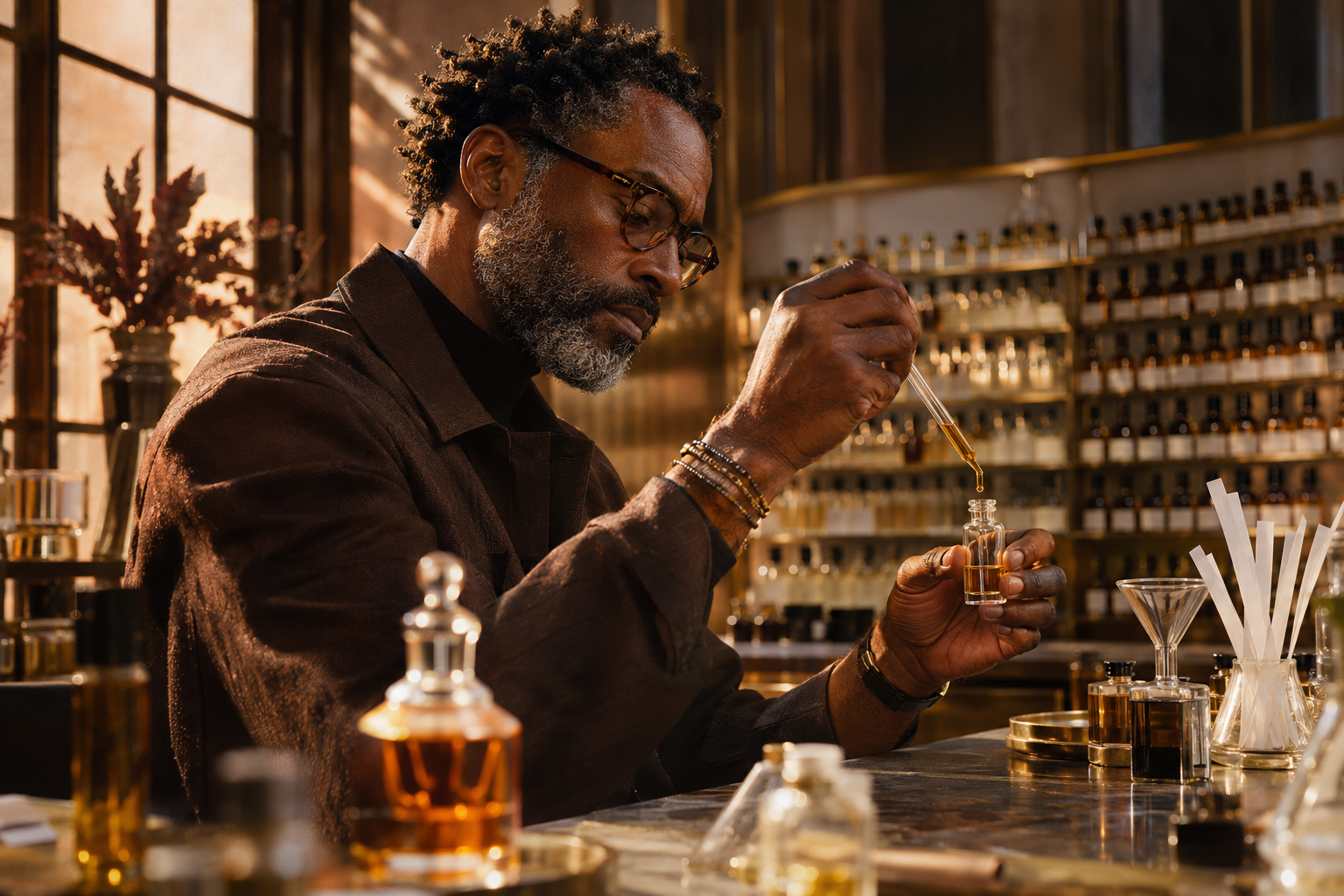
Take James “Jimmy” Bell. According to The Fragrance Foundation, Bell created Passion for Elizabeth Taylor, the 1987 fragrance that helped set the stage for the modern celebrity-perfume business. It is the kind of industry-shaping credit that deserves to be as familiar as the celebrity on the bottle.
Then there is Howard Kennedy, a former chief perfumer and worldwide fragrance-development director at Coty. His career included five Fragrance Foundation Fragrance of the Year awards, for scents including Stetson for Men and Lady Stetson. He later established Royal Essence Ltd., his own fragrance-and-flavor company, and developed Undeniable for Billy Dee Williams. Kennedy's career is a reminder that Black expertise was present in major fragrance laboratories, not only in independently owned shops.
André Barnwell approached the industry from another direction. A self-taught creator, he launched Raks with his brother Harold in the 1990s. In 1997, their business became the first Black-owned brand to join The Fragrance Foundation, according to the organization. It was a milestone in an industry where access and recognition mattered as much as a great formula.
The legacy is still being written. Roger Howell, a veteran perfumer whose career has spanned major fragrance houses, was named president of the American Society of Perfumers in 2025. That appointment is more than a personal achievement. It places a Black perfumer in a leadership role within a profession that influences the scents millions of people wear and use every day.
And the work of perfumers such as Gwen Gonzalez of Givaudan and Kingsley Ibe of dsm-firmenich's Agilex division illustrates another part of the picture: Black fragrance expertise exists inside the laboratories and creative teams that supply the wider industry. Their names might not be on the front of a bottle, but the work of perfumers like them belongs in the conversation. The Fragrance Foundation has highlighted both in its coverage of Black talent in perfumery.

Image: Next in Beauty
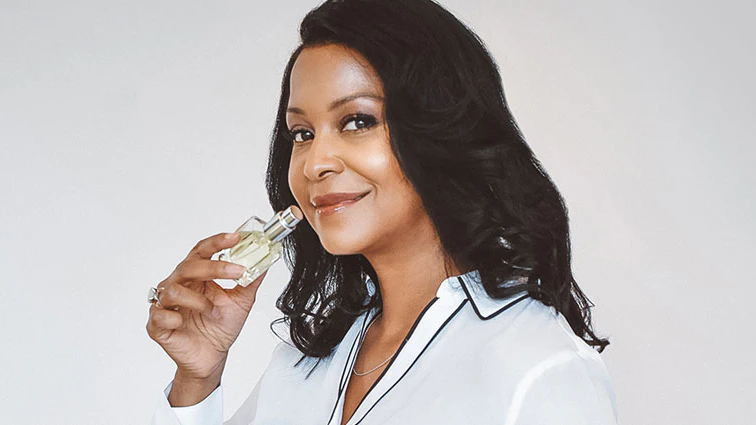
Image: Perfumer & Flavorist
The founders giving fragrance a different point of view
If the pioneers prove that Black people have long helped create the fragrance world, today's independent houses show what happens when Black founders control more of the story—from the concept to the packaging to the customer experience.
Chris Collins has built World of Chris Collins around travel, sophistication, and the cultural richness of Harlem. His Harlem Nights fragrance conjures the mood of a 1920s speakeasy through rum, spice, orris, sandalwood, and amber. African Rooibos takes a different route: bergamot and cardamom open into rooibos tea and woods. These are not merely pleasant smells with attractive labels. Their concepts draw from place, atmosphere, and identity.
In Atlanta, Chris Classic has taken an equally personal path with Savoir Faire, a house founded in 2017. Its fragrances are designed without gender assignments and often lean into bold, textured compositions. Soul Café brings together bergamot, tobacco, oud, coffee, and amber wood; The Whiskey Rose combines rose with leather, vanilla, and warm woods. Savoir Faire's identity is grounded in independent creation, not in trying to mimic the traditional European perfume house.
Teri Johnson has made storytelling the foundation of Harlem Perfume Co. Fragrances such as Josephine and Langston reference the legacies of Josephine Baker and Langston Hughes. Instead of separating fragrance from Black cultural history, Johnson brings that history into the creative brief. A fragrance can become a way to encounter an artist's world, not just their name.
For Keta Burke-Williams, founder of Ourside, scent is a form of imaginative world-building. Her line includes Moon Dust, Of Our Own, and Nostalgia, with the brand producing fragrances in small batches in the Bronx. Where some luxury houses sell distance and exclusivity, Ourside presents the idea that a perfume can feel like a place you belong.
Octavia Morgan, founder of OCTAVIA MORGAN Los Angeles, came to fragrance through a deeply personal challenge. A former hospice and palliative care nurse with a lifelong love of perfume, Morgan developed sensitivities to fragrances she once enjoyed. Rather than abandon her passion, she built a gender-inclusive fine fragrance house designed with sensitive wearers in mind, without sacrificing complexity or elegance. In 2025, her company became the first Black woman-owned prestige fragrance brand to launch nationwide at Ulta Beauty. Her accomplishment represents more than a breakthrough in retail distribution. Morgan’s work expands the conversation about luxury: not only who gets to create it, but who gets to experience it comfortably.
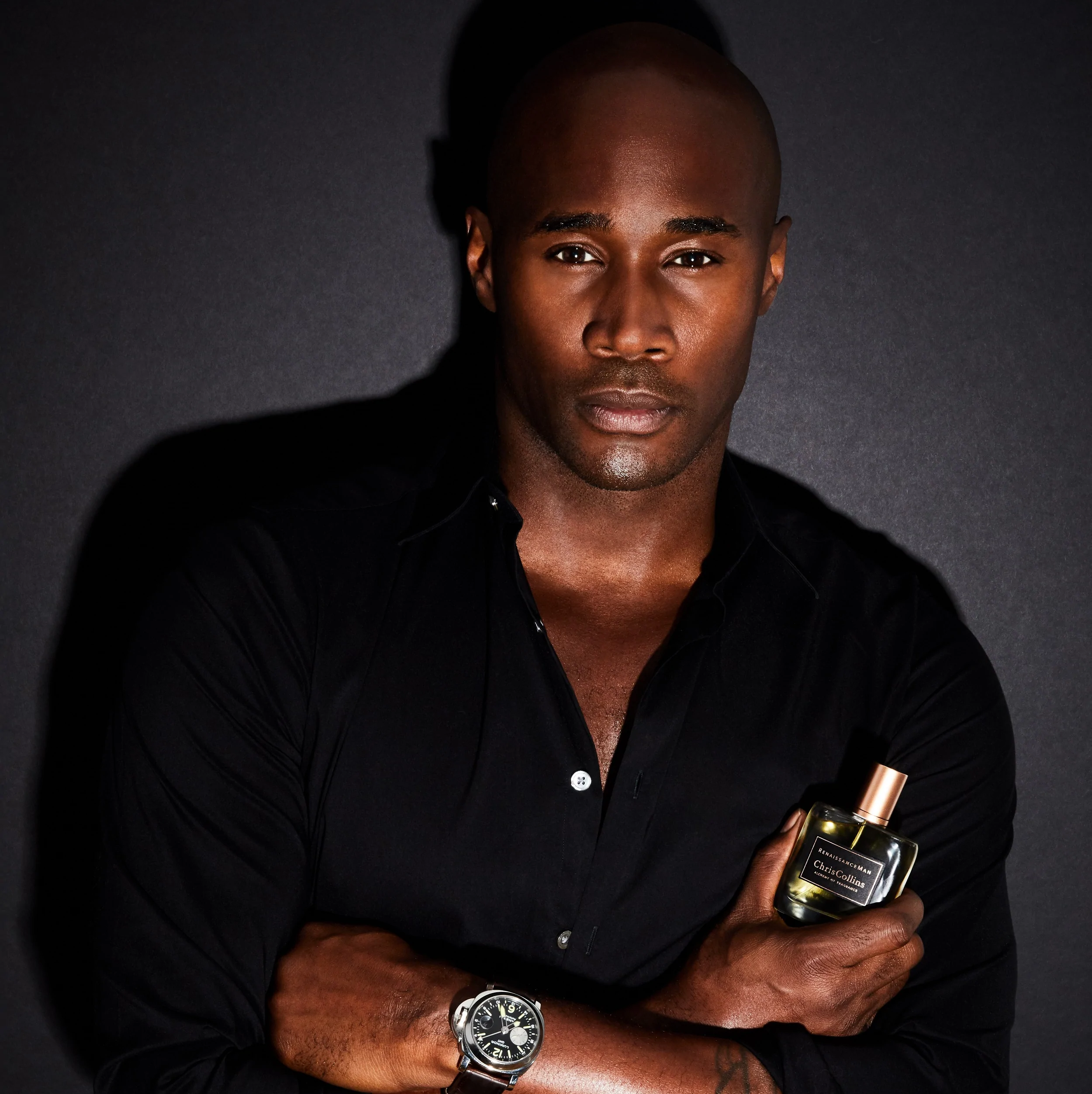
Image: Ministry of Scent

Image: Gramercy Gift Guide
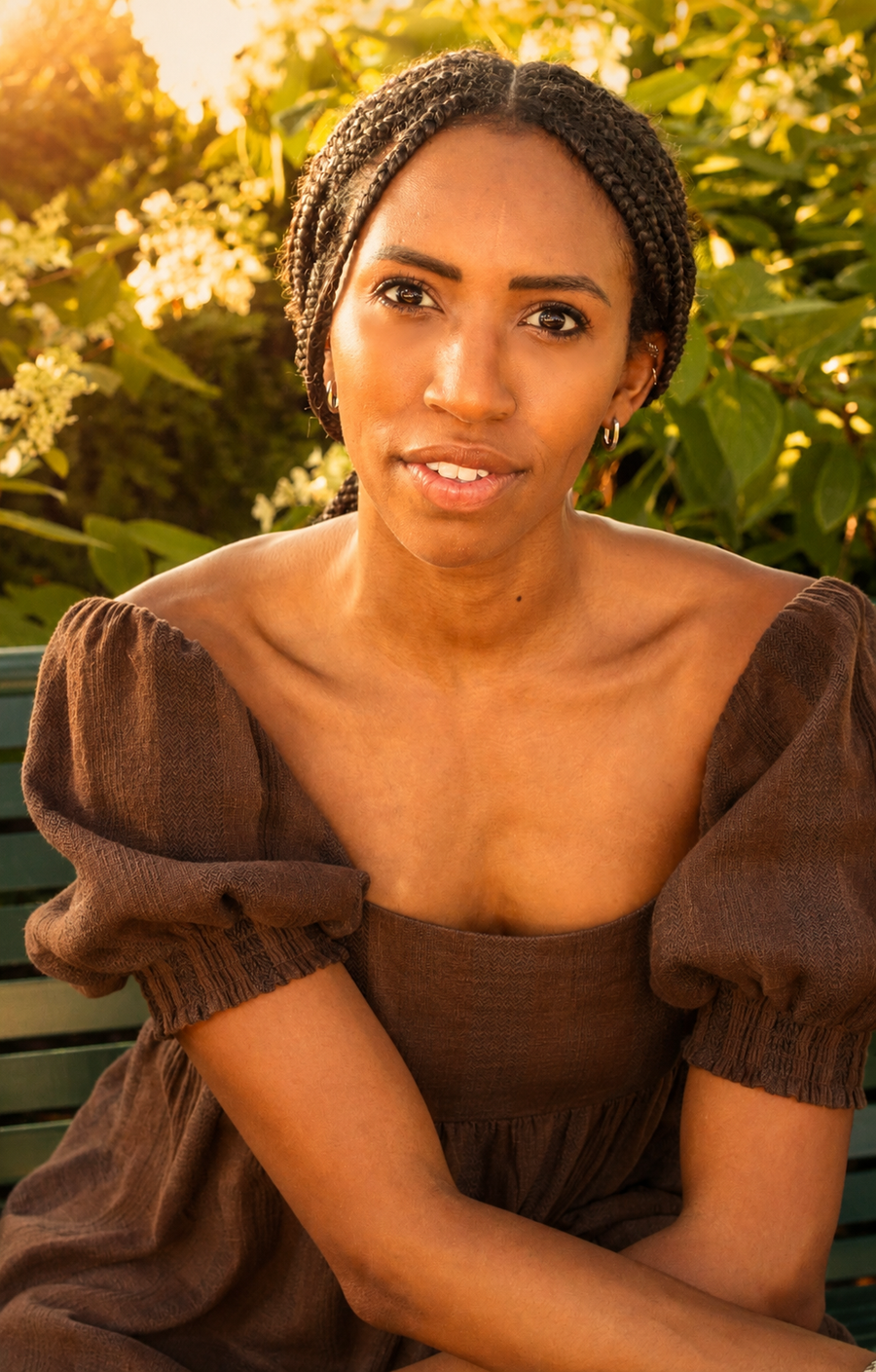
Image: Ourside

Image: OCTAVIA MORGAN Los Angeles
Brianna Arps turned her background in journalism and her fascination with scent into MOODEAUX. She also created Black In Fragrance, an initiative supporting underrepresented fragrance entrepreneurs with connections, mentorship, and resources. Her work addresses an important truth: having a brilliant fragrance concept is only one part of building a sustainable business. Founders also need access to capital, distribution, industry relationships, and visibility.
Maekaeda Gibbons built Brown Sugar Babe around the pleasure and self-care rituals of scent, developing a devoted following for its body and perfume oils. What began with Gibbons making oils for herself, family, and colleagues grew into an independent fragrance business with an Atlanta flagship where customers can explore scents and layering. Gibbons also founded the Black Fragrance Association, which seeks to increase education, opportunity, and recognition for Black people in the industry. Her story shows that influence in fragrance is built not only in traditional perfume houses, but also in the communities that wear, combine, and celebrate scent.
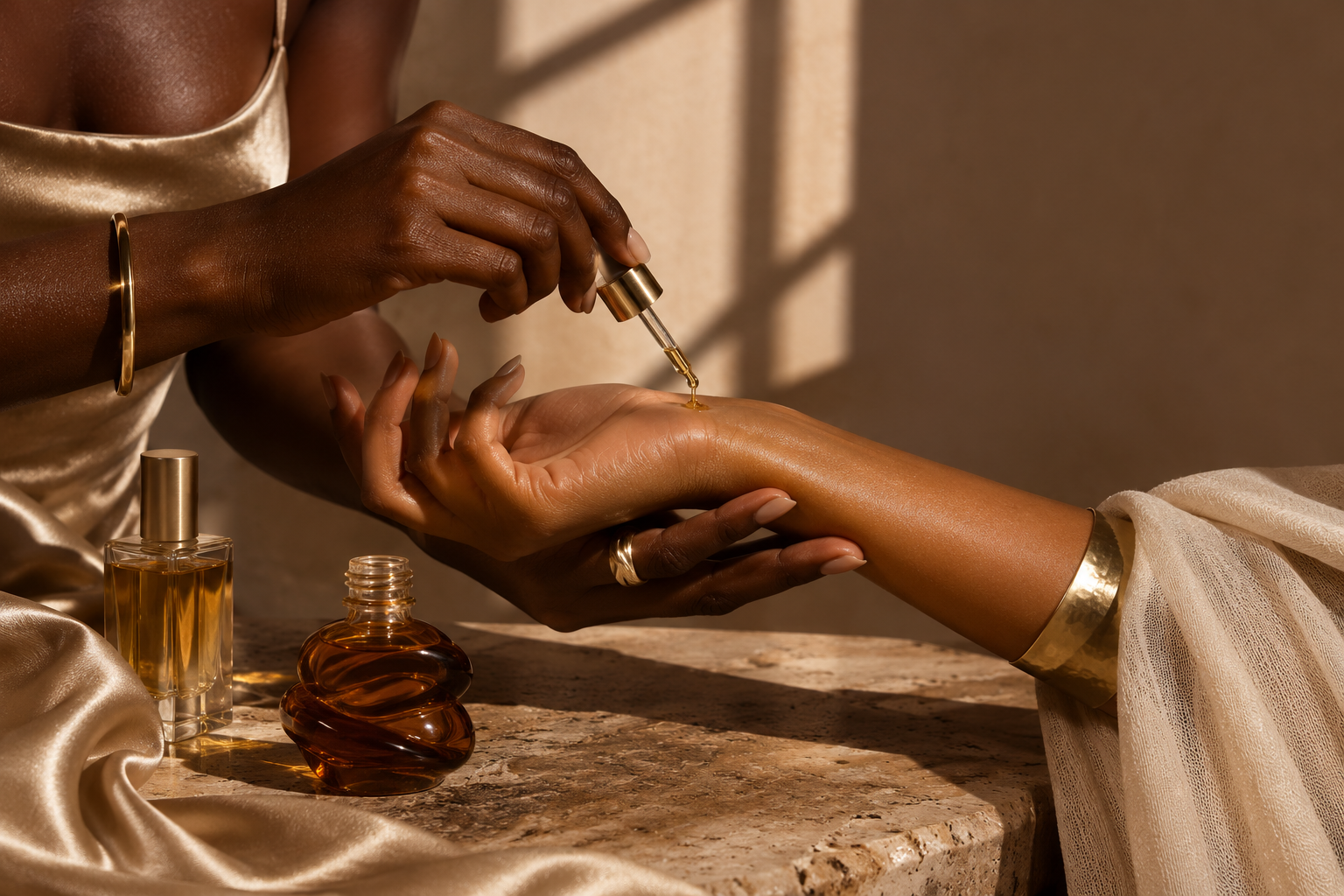

Image: Famm
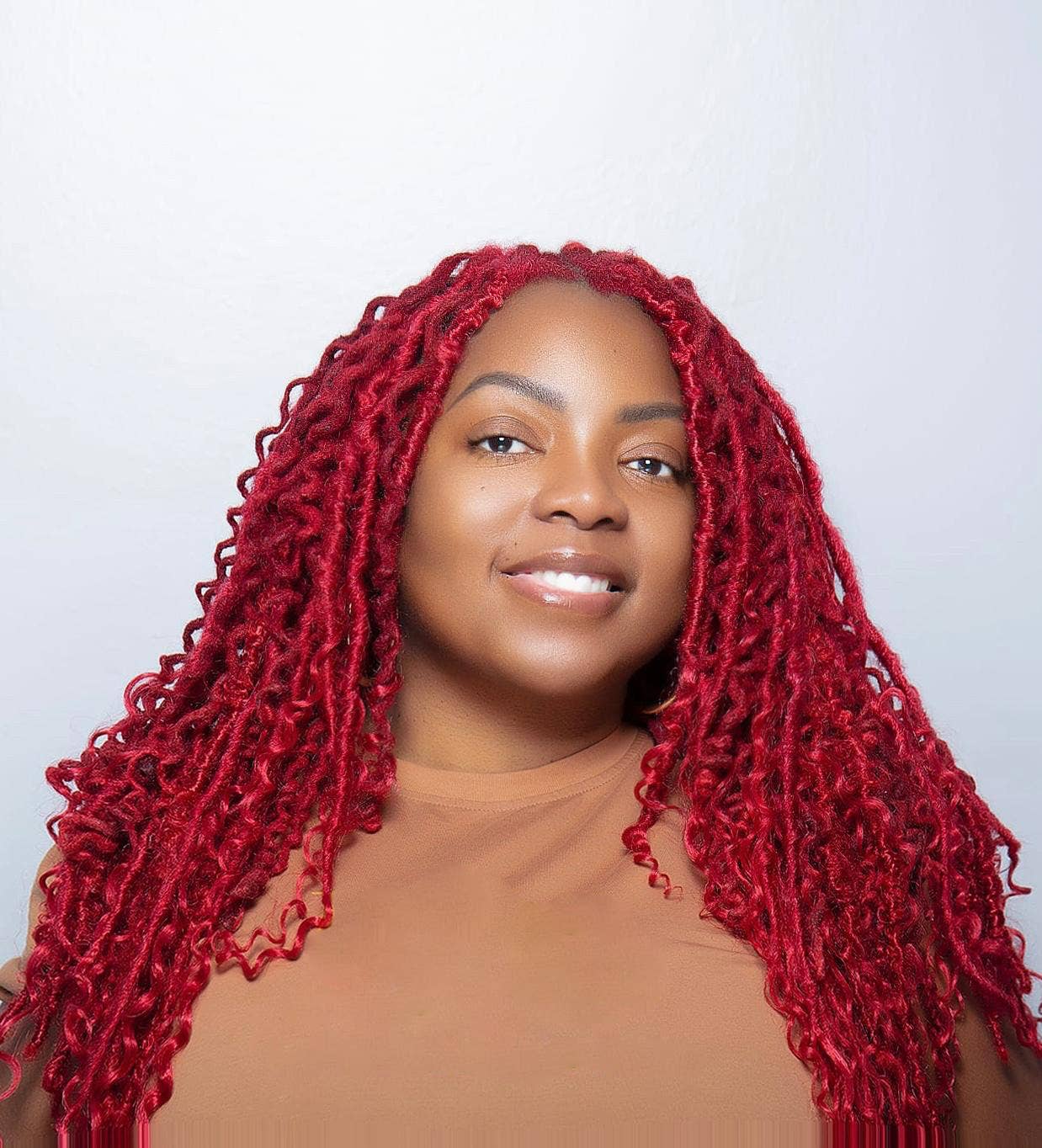
Image: Fashionista
In Lafayette, Louisiana, Devin Breaux, founder of Genre Parfums, has built a fragrance house with a distinctly community-driven approach. His personal account traces an unconventional path into perfumery: while working in the oil and gas industry, travels to Oman introduced him to a fragrance culture rich in oud, musk, rose, and incense. That experience deepened a lifelong fascination with scent and helped inspire his entrepreneurial ambitions. Established in 2013, Genre offers original creations alongside interpretations inspired by well-known fragrances, emphasizing quality and accessible prices. Its limited pop-up ordering windows and active Facebook presence have helped connect the Louisiana house with fragrance enthusiasts beyond the traditional luxury retail counter. Breaux’s story illustrates how independent creators can build influence through accessibility, experimentation, and a devoted community of collectors.
And the field extends even further. Malaika Jones, alongside co-founder Nia Jones, has positioned Brown Girl Jane around culture and sensuality. Jackie and Denis Asamoah have built FORVR MOOD around fragrance as a self-care ritual. Mair Emenogu, the founder of MAIR, approaches perfume through confidence, softness, and personal expression. Their houses do not smell—or tell stories—the same way. That variety is precisely the point.
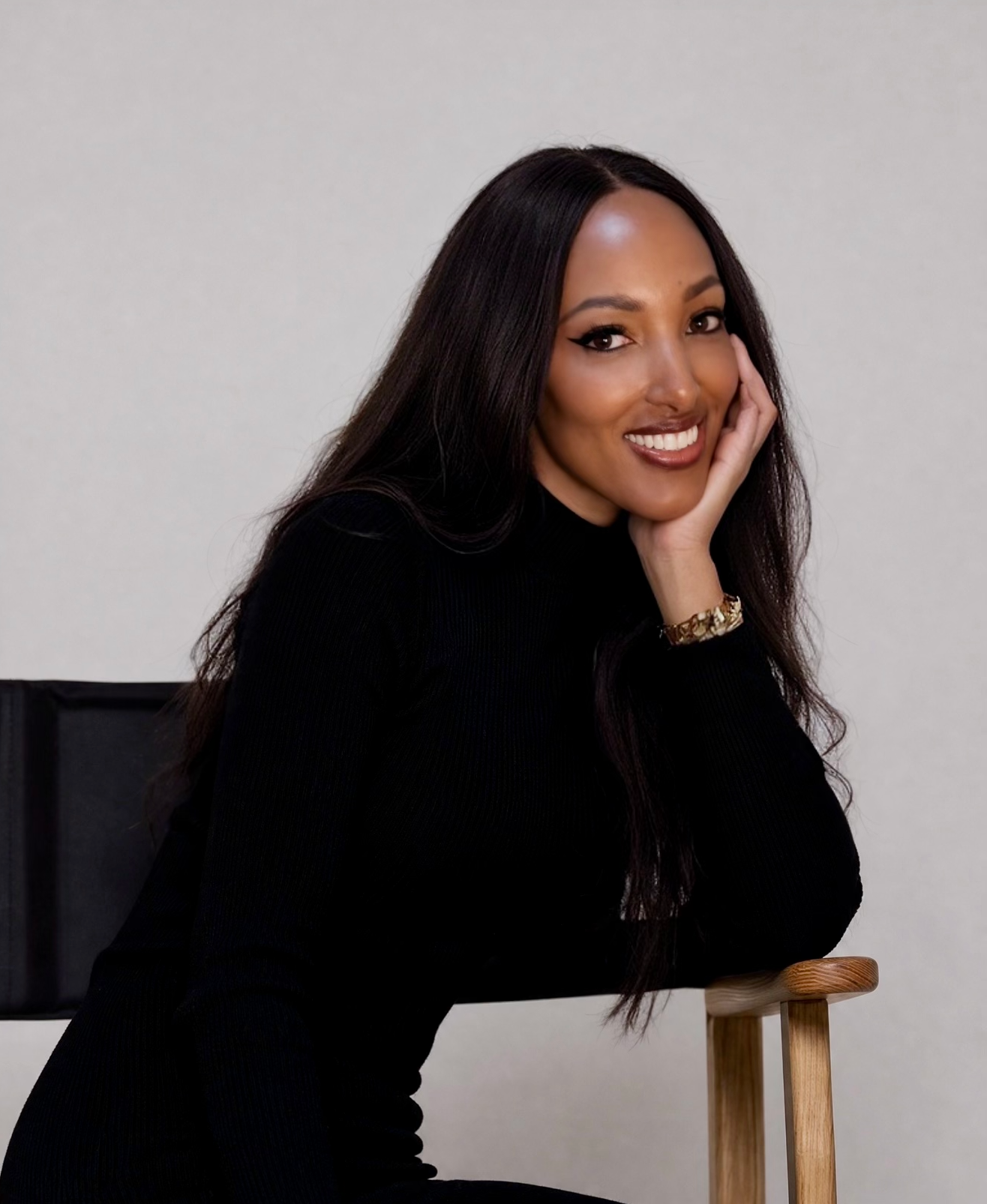
Image: Brown Girl Jane

Image: Brown Girl Jane
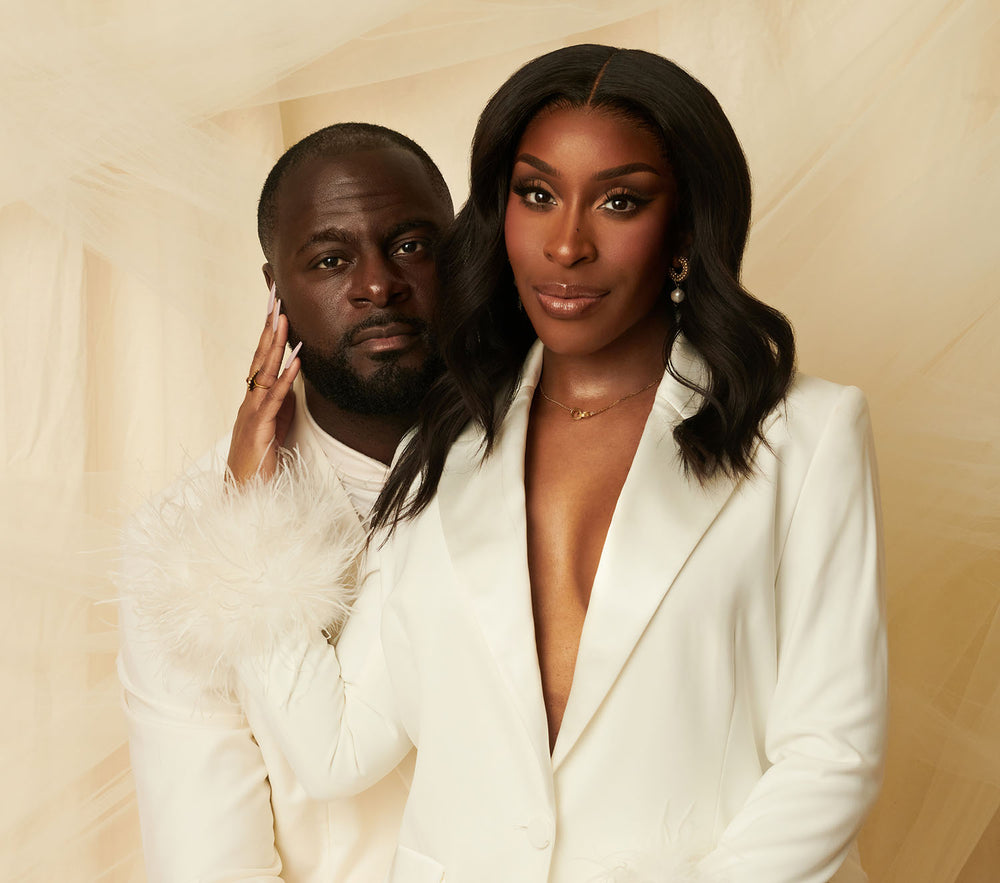
Image: FORVR MOOD
Image: CultureMap Houston
Black-owned does not mean one kind of fragrance
There is a temptation to talk about Black-owned fragrance as though it were a single scent category. It isn't.
One founder may favor amber, oud, smoke, and leather. Another may build a perfume around sparkling citrus, delicate florals, or barely-there skin musk. Some make fragrances inspired by cultural history; others are interested in mood, travel, intimacy, or experimental composition. Their customers are not one gender, one age group, or one type of collector.
Even the word luxury takes on different meanings. For one house, it may be the depth of the formula and the materials chosen. For another, it may be an intentional small-batch process or the freedom to tell a story that larger brands would have overlooked. What unites these creators is not a shared note pyramid. It is the right to define their own aesthetic.
There is also an important distinction between a brand founder and the perfumer who composes a fragrance. Sometimes they are the same person; often fragrance creation is collaborative. Both roles deserve accurate credit. If we want to change whose names are recognized in luxury, we have to pay attention to the people doing the formulation as well as those building the business.
Beyond the bottle
The next time you discover a fragrance, take a moment to ask a few more questions. Who founded the house? Who composed the scent? What inspired it? Is there a sample or discovery set that lets you experience it before investing in a bottle? And when you find something you love, are you sharing the creator's name as readily as the fragrance's name?
Those small habits change how we collect. A shelf becomes more than a row of logos. It becomes a collection of ideas, memories, and creative voices.
Black people did not just arrive in fragrance when the industry began paying closer attention to Black-owned brands. They were already there—formulating classics, building companies, shaping taste, and passing down the importance of smelling good as an act of self-presentation.
What is changing is visibility, ownership, and the opportunity to tell the story from the beginning.
The future of fragrance has many Black faces. It's time we learned their names.