What Machines Miss When Black Americans Speak
Many Black speakers have learned to change how they talk to voice assistants. Howard University researchers wanted to hear what they sounded like before they made that adjustment.

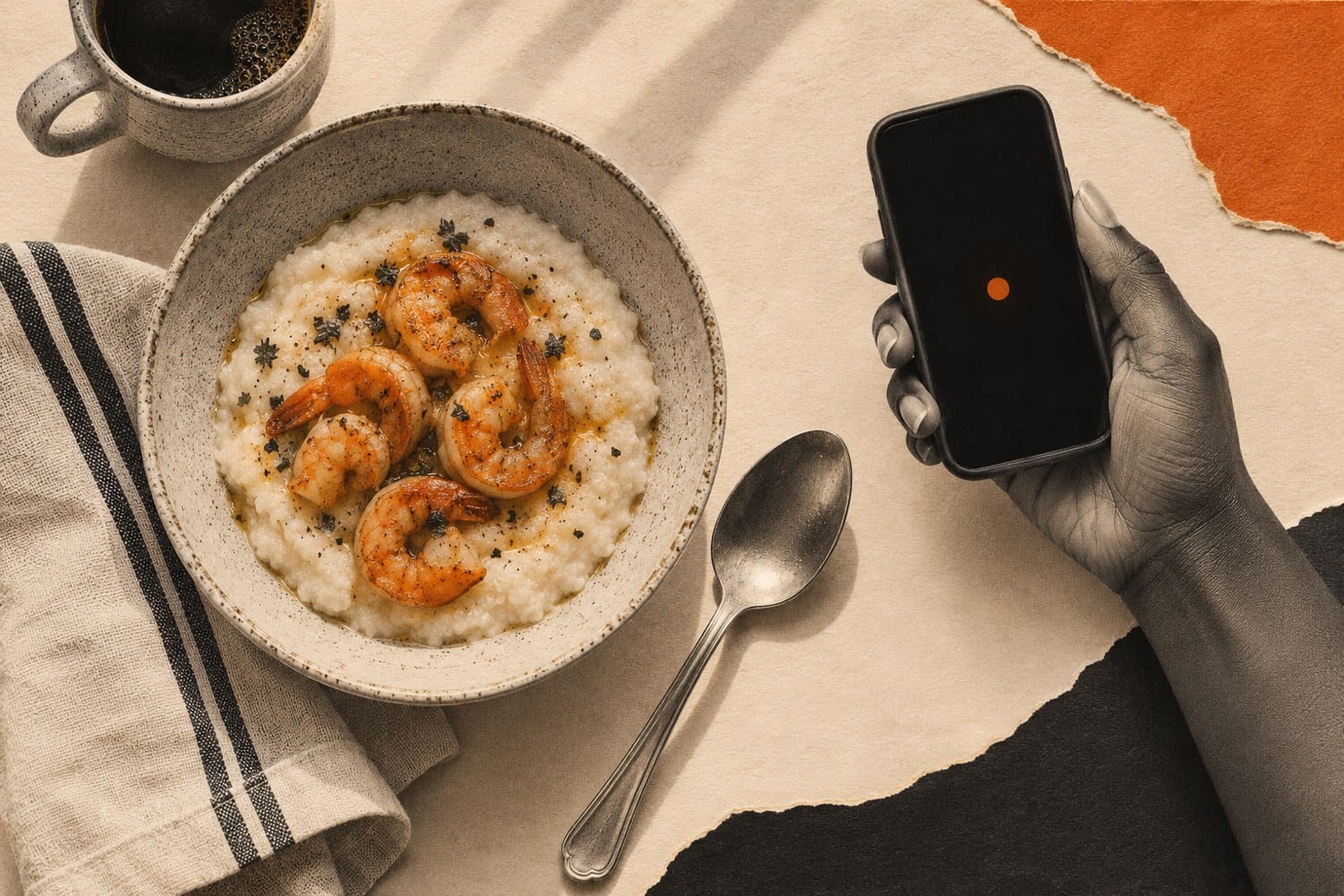
One of the questions Howard University researchers sent to people’s phones was about a bowl of shrimp and grits. How would you describe it? Another invited them to finish a sentence: “I wish a person ____.” Participants could record whatever came naturally. For a study about artificial intelligence, the prompts left a welcome amount of room for personality. 1
There was a reason to ask someone about breakfast. By the time a person tells a voice assistant to play a song or call a friend, they may already have adjusted their speech to what experience tells them the device will understand. A recording of a successful command can miss how the speaker would have said it to another person. Researchers at Howard and Google wanted to hear that version, too. 7 2
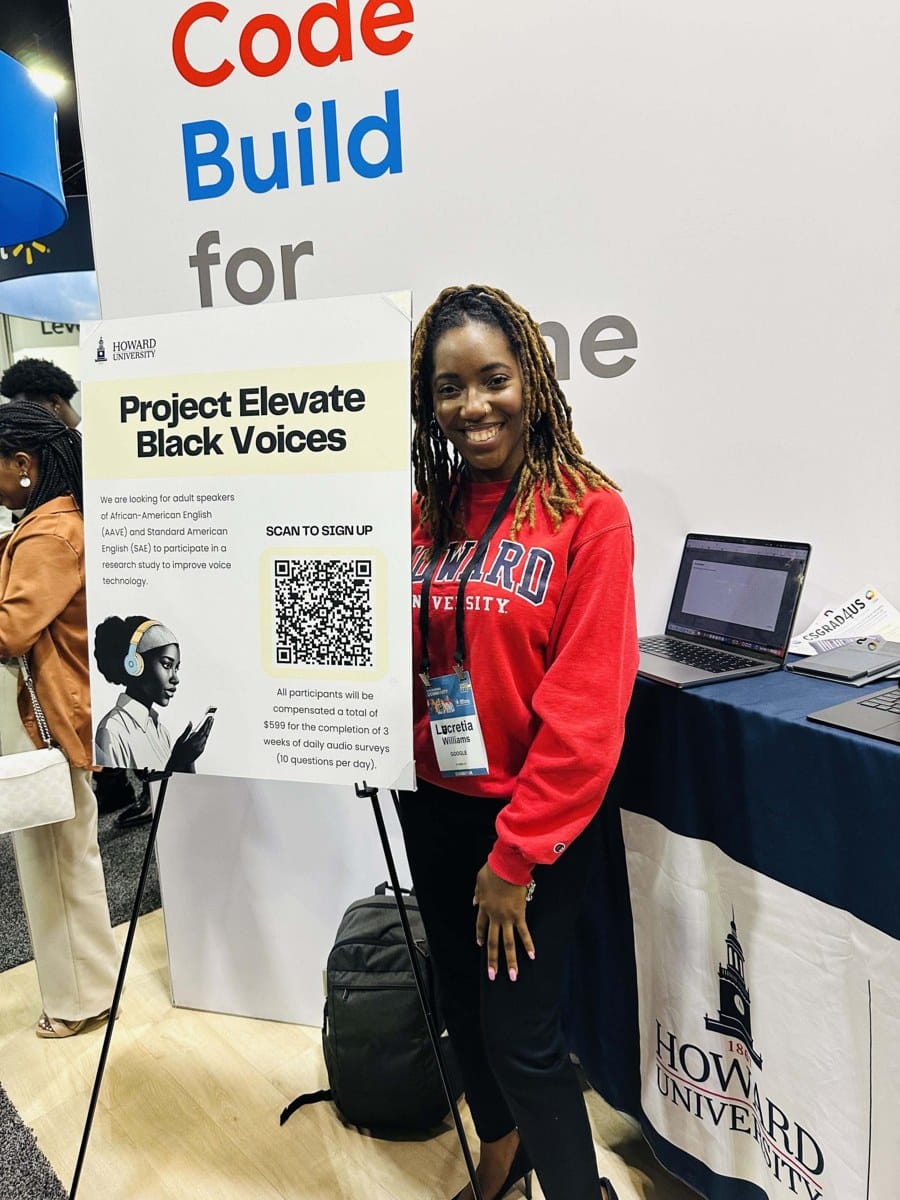
Their collaboration, Project Elevate Black Voices, gathered more than 600 hours of African American English from speakers representing 32 states. Howard announced the release of the collection in June 2025. When UNCF revisited the project in November 2026, it highlighted a decision the partners had made early on. Google could use the recordings to improve its products. Howard would own the collection and control its licensing. 2 3
The words that go missing
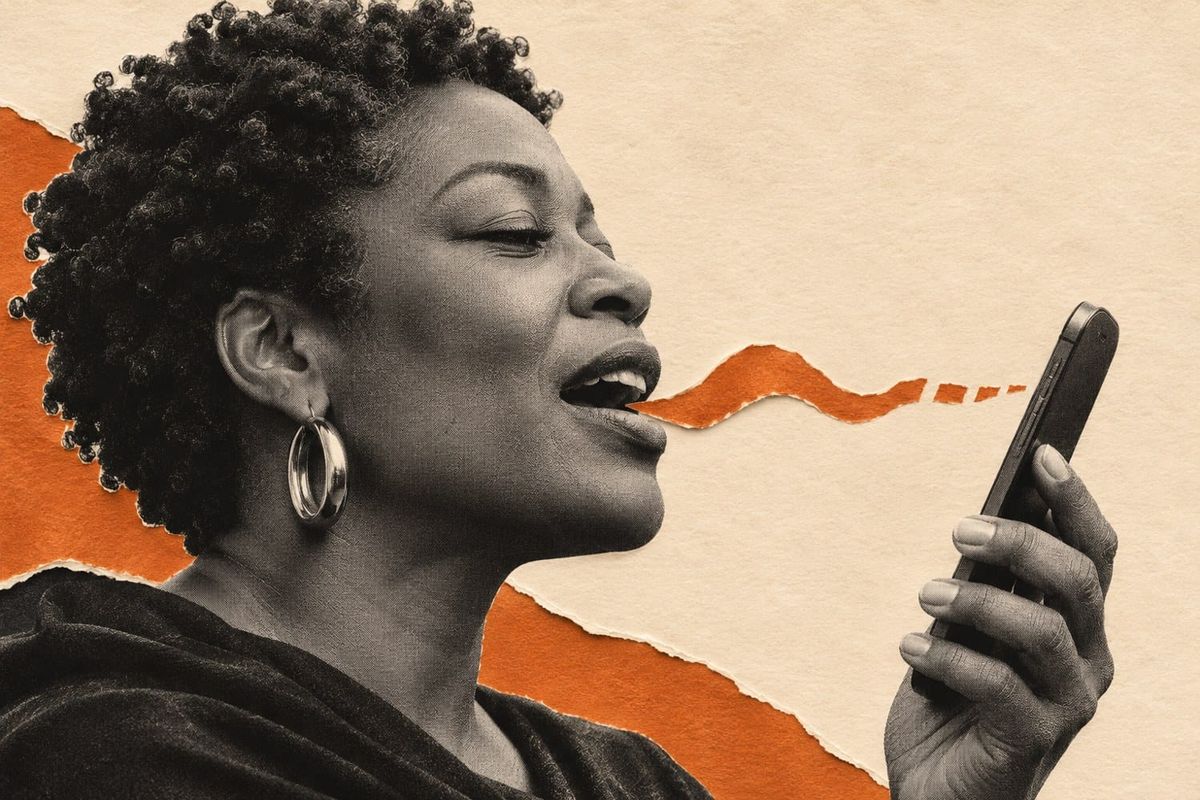
Lucretia Williams, a Howard researcher who helped lead the project, knew the problem from the experience of seeing her own words in print. She told Washingtonian that she sometimes found small errors in published interviews. An -ed might disappear from the end of a word. A reader encountering the quote would have no reason to suspect that Williams had said it differently. 4
A Stanford-led team measured the problem on a larger scale. In a study published in 2020, researchers tested speech-recognition systems from Amazon, Apple, Google, IBM and Microsoft using recorded interviews with Black and white speakers. Across the five services, the software averaged 35 errors per 100 words for Black speakers and 19 for white speakers. Every company they tested showed a gap. 5 6
One recording from that study captures a 40-year-old Black man remembering what it was like to be tall in high school. He explains that he didn’t want to play center. On Stanford’s website, listeners can hear him tell it and follow the words the software struggled to transcribe. It is an ordinary basketball memory, the kind of aside a relative might offer while watching a game. Someone listening to the man gets a story. Someone relying on the transcript gets a less reliable account of what he said. 5
Before anyone pressed record
At Howard, computer scientist Gloria Washington served as a co-principal investigator alongside Google Research’s Courtney Heldreth. An early part of the work followed 30 Black participants over several weeks to understand how they used voice technology. The researchers were interested in the adjustments a device could never register as an error because the user had already learned to make them. 1 2
Williams helped organize gatherings in several cities. Local Black panelists led conversations about technology and its place in their communities. People could talk about their experiences with AI and raise questions about privacy. The invitation to contribute recordings came at the end, after people had a chance to question the researchers who were asking for their voices. 2
More than 530 people took part in the recording effort, according to Washingtonian. Participants could earn up to $599 for three weeks of answering prompts. Some questions invited people to talk about their hobbies. Others, like the one about shrimp and grits that Washington described to Howard’s student newspaper, The Hilltop, gave speakers a chance to choose their own words for something familiar. A Black-owned transcription company processed the recordings. 4 1
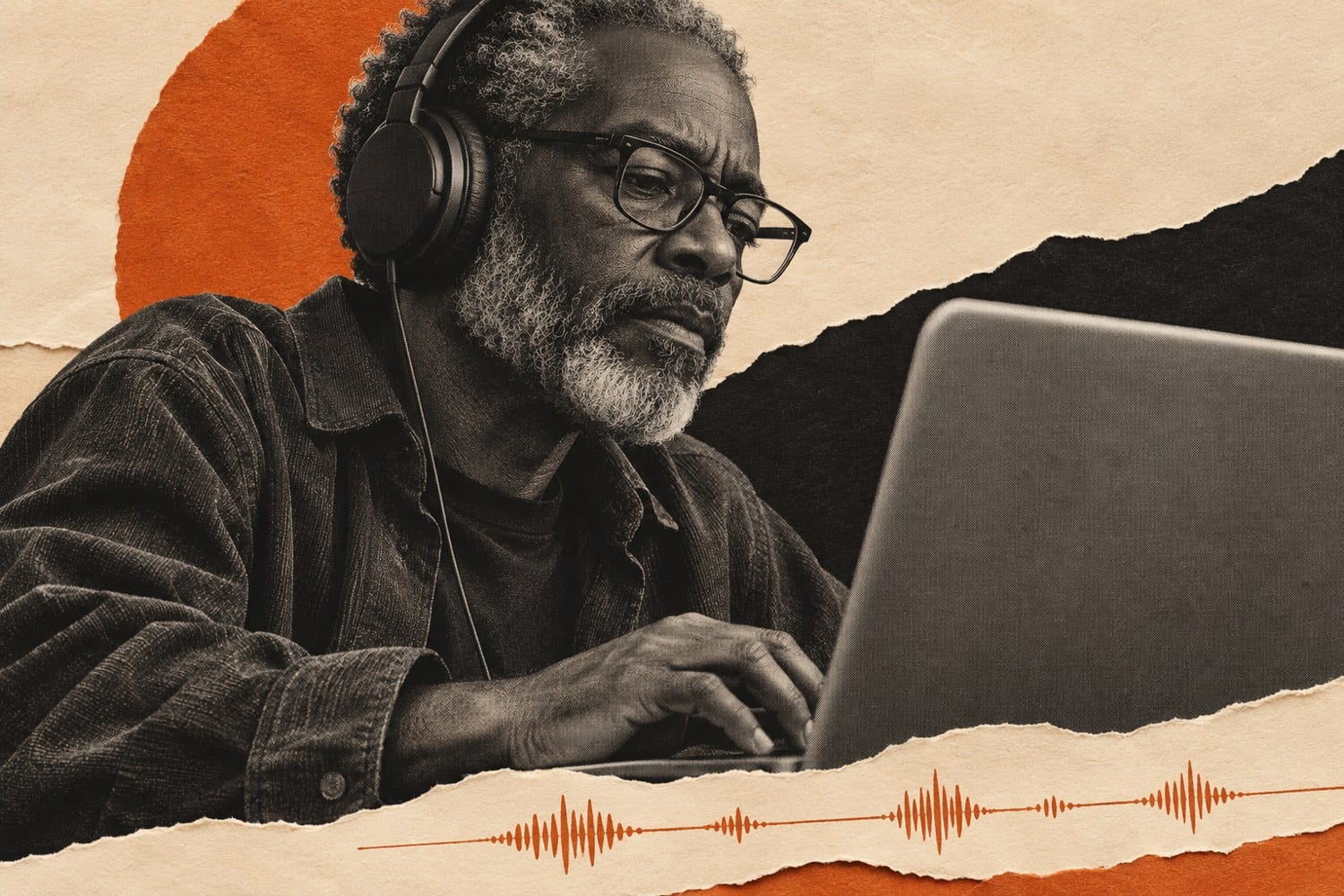
To judge whether a machine has heard someone correctly, a researcher needs a trustworthy account of what the person actually said. Before these voices could teach a computer anything, other people had to listen. 4 6
Who gets to listen next
A person answering a question about a favorite meal can decide what to say and when to stop recording. Once that recording becomes part of a research collection, other decisions follow. Who can have a copy? What can they build with it? Who gets to say yes?
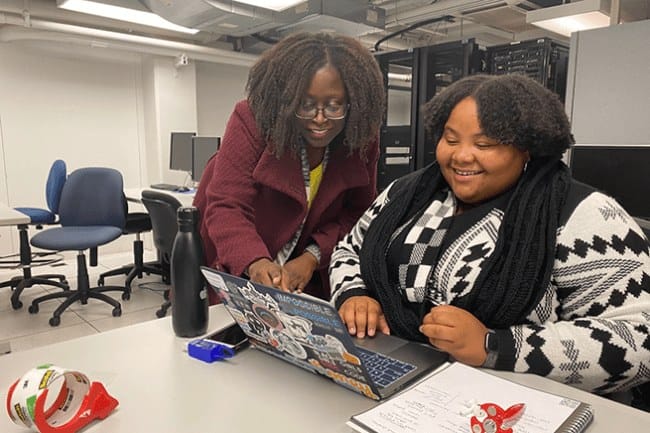
When Howard released the collection, it gave researchers and institutions at historically Black colleges and universities the first opportunity to apply for access. Google had permission to use it for its own products. Howard retained authority over licensing and said it would consider wider access later. For a university that had asked hundreds of people to trust it with their voices, that authority gave Howard a way to keep answering to them after the recordings were finished. 2
Whether the work has made today’s voice assistants more accurate remains an open question. The Stanford figures describe systems tested in 2019. Howard’s release documents what the team collected, and UNCF’s November account offers no before-and-after test of a commercial product. 5 2 3
Someday, one of those participants may dictate a message about what’s for breakfast. The test will be whether the words that appear on the screen are the ones they said the first time.